Mastering Blog Management: A Comprehensive Guide to Managing Your Blog
Managing a blog can be a daunting task, especially for those who are new to the world of blogging. However, with the right tools and techniques, you can easily manage your blog and make it a success. In this tutorial, we will take you through the steps of managing a blog, from creating content to optimizing it for search engines. By the end of this guide, you will have a clear understanding of how to manage your blog and take it to the next level.
Step 1: Planning Your Blog Content with the Right Tools
To manage your blog effectively, you need to plan your content in advance. This involves deciding on the topics you want to cover, the frequency of your posts, and the tone you want to use. You can use a free tool like the one mentioned in Mommin' From Scratch to help you manage your blog content. For example, you can create a content calendar to keep track of your posts and ensure that you are consistent. 
Step 2: Creating High-Quality Blog Posts with SEO in Mind
Creating high-quality blog posts is crucial to managing a successful blog. You need to ensure that your posts are well-researched, informative, and engaging. You also need to optimize your posts for search engines by using the right keywords, meta descriptions, and optimizing your images. For example, you can use the Blog Designer Plugin to help you create visually appealing posts.
Step 3: Managing Your Blog's Design and Layout
The design and layout of your blog play a crucial role in managing your blog's overall user experience. You need to ensure that your blog is visually appealing, easy to navigate, and compatible with different devices. You can use a plugin like the Blog Designer Plugin to help you customize your blog's design and layout. For example, you can change the color scheme, add a logo, and create a custom menu.
Step 4: Engaging with Your Audience and Building a Community
Engaging with your audience is a critical aspect of managing a blog. You need to respond to comments, answer questions, and create a community around your blog. You can use social media to promote your blog and engage with your audience. For example, you can create a Facebook group or a Twitter chat to discuss topics related to your blog. 
Step 5: Analyzing Your Blog's Performance and Making Data-Driven Decisions
Analyzing your blog's performance is essential to managing a successful blog. You need to track your website's traffic, engagement, and conversion rates to understand what's working and what's not. You can use tools like Google Analytics to help you analyze your blog's performance. For example, you can track your website's traffic sources, bounce rate, and average session duration.
Step 6: Staying Up-to-Date with the Latest Blogging Trends and Best Practices
Staying up-to-date with the latest blogging trends and best practices is crucial to managing a successful blog. You need to stay informed about the latest developments in your niche and adjust your strategy accordingly. You can attend webinars, workshops, and conferences to learn from other bloggers and industry experts. For example, you can attend a blogging conference to learn about the latest trends and best practices in blogging.
Step 7: Managing Your Blog's Security and Backup
Managing your blog's security and backup is essential to preventing losses and ensuring business continuity. You need to ensure that your blog is secure from hackers and malware by installing security plugins and updating your software regularly. You also need to backup your blog regularly to prevent data loss. For example, you can use a plugin like VaultPress to backup your blog.
Step 8: Outourcing and Automating Repetitive Tasks
Outsourcing and automating repetitive tasks can help you manage your blog more efficiently. You can outsource tasks like content creation, social media management, and SEO to freelancers or agencies. You can also automate tasks like email marketing, comment moderation, and backup using plugins and tools. For example, you can use a plugin like MailChimp to automate your email marketing.
Step 9: Continuously Evaluating and Improving Your Blog
Continuously evaluating and improving your blog is crucial to managing a successful blog. You need to regularly assess your blog's performance, identify areas for improvement, and make changes accordingly. You can use tools like Google Analytics to help you evaluate your blog's performance. For example, you can track your website's traffic, engagement, and conversion rates to identify areas for improvement.
Step 10: Staying Organized and Focused
Staying organized and focused is essential to managing a successful blog. You need to prioritize your tasks, set goals, and stay motivated. You can use tools like Trello or Asana to help you stay organized and focused. For example, you can create a board to track your tasks, set deadlines, and collaborate with team members.
Frequently Asked Questions
Q: How do I manage my blog's content?
A: You can manage your blog's content by planning your posts in advance, using a content calendar, and optimizing your posts for search engines.
Q: How do I engage with my audience?
A: You can engage with your audience by responding to comments, answering questions, and creating a community around your blog.
Q: How do I analyze my blog's performance?
A: You can analyze your blog's performance by using tools like Google Analytics to track your website's traffic, engagement, and conversion rates.
Blog Management System | PDF

Blog Management System | PDF
How To Manage Blog Content With The Most Important Tool - Mommin' From
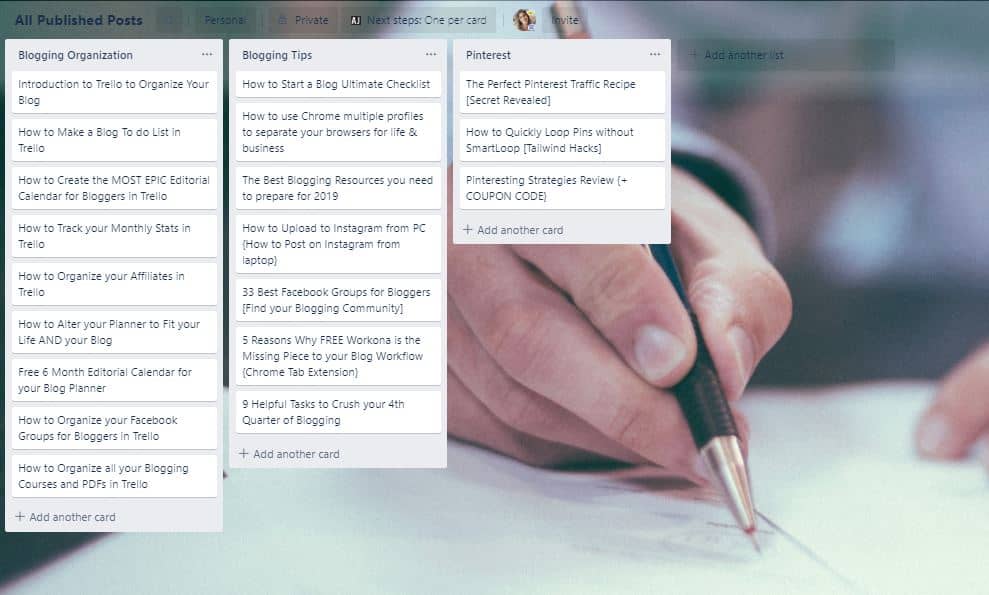
How to Manage Blog Content with the Most Important Tool - Mommin' From ...
How To Manage Blog Content With The Most Important Tool - Mommin' From
How to Manage Blog Content with the Most Important Tool - Mommin' From ...